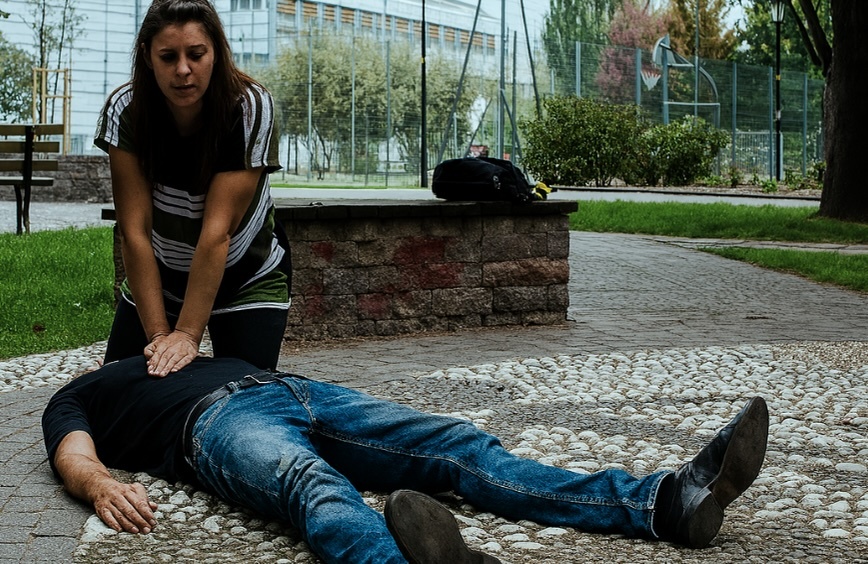
Brain damage occurs within minutes of breathing stopping. Presently, patients and victims have to wait until an Ambulance arrives to get the life saving oxygen they desperately need.
1. Medical Emergency
call for help
call for help
2. Initiate Response
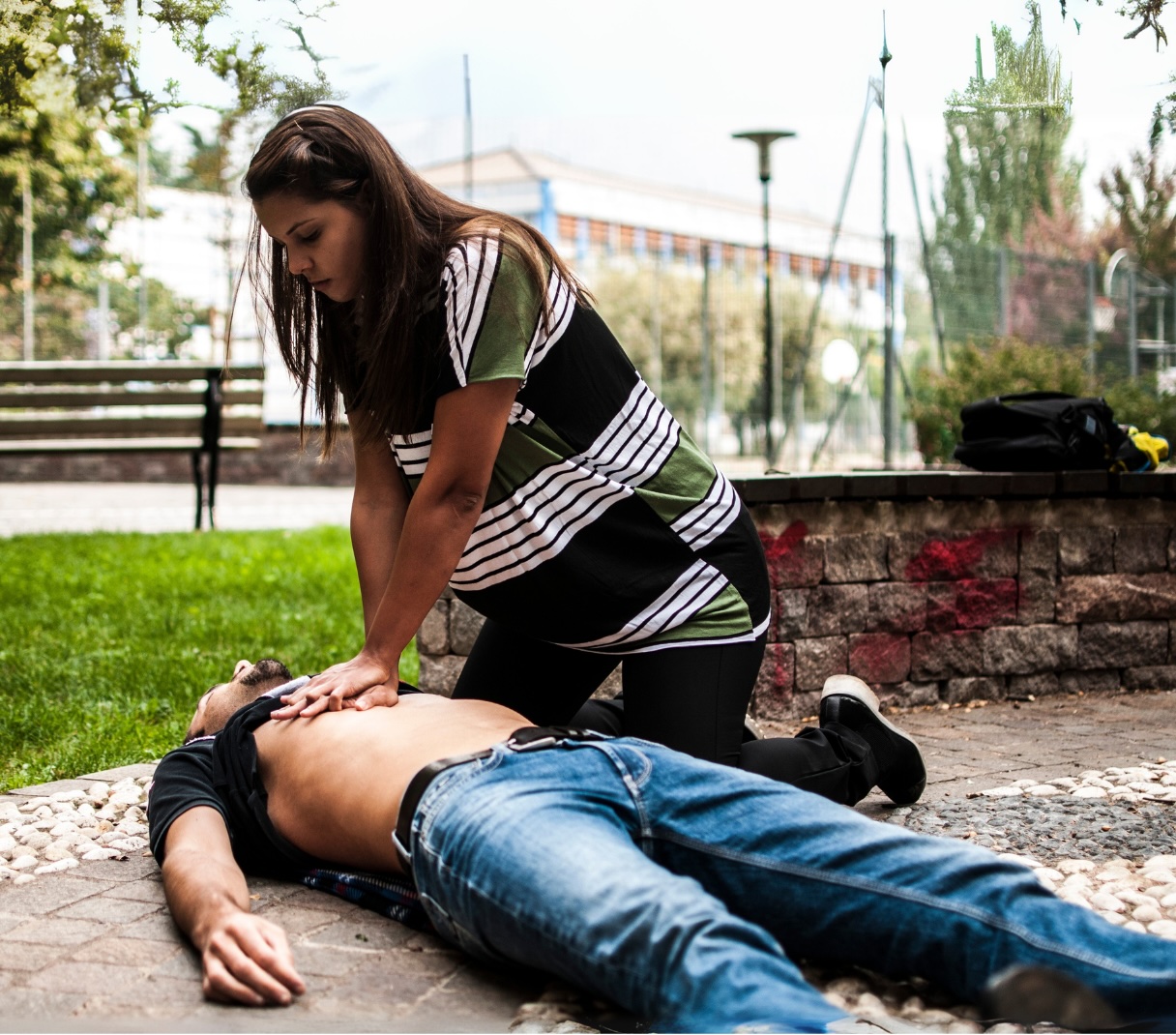
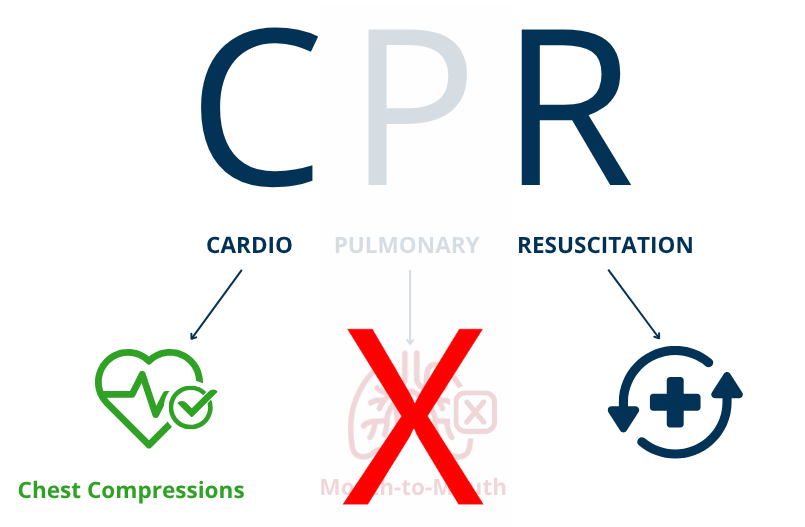
begin cpr without pulmonary RESUSCITATION oxygen
begin cpr without pulmonary RESUSCITATION oxygen
3. EMS Arrival
Continue cpr Until Help Arrives
Continue cpr Until Help Arrives
What are the Lay-Responder’s Options?
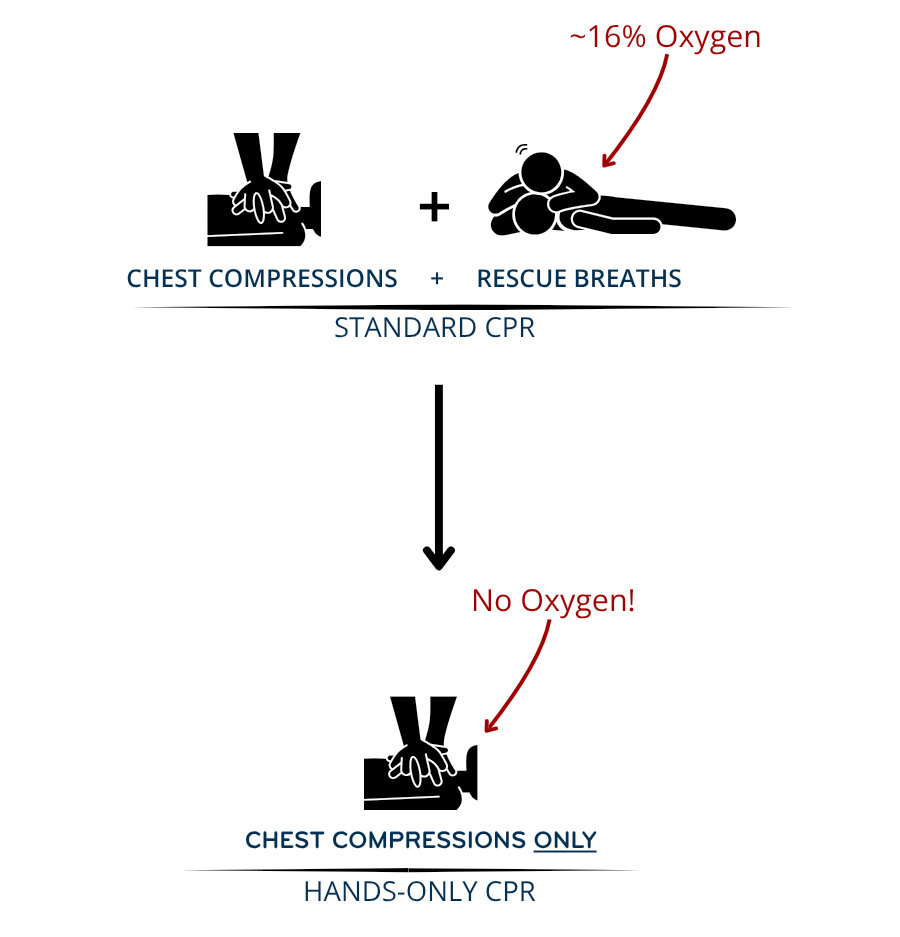
Bystander rescuers MAY give rescue breaths….BUT
No longer recommended, unless the bystander is willing and able
Exhaled air: 16% oxygen, over 100× more CO₂ than fresh air
Chronic health risks: Obesity, smoking, lung disease
The AHA and ERC recommend providing rescue breaths during pediatric emergencies and suspected opioid overdoses, but only if the rescuer is willing and able to do so.
How Lay Responders Give Rescue Breaths Today
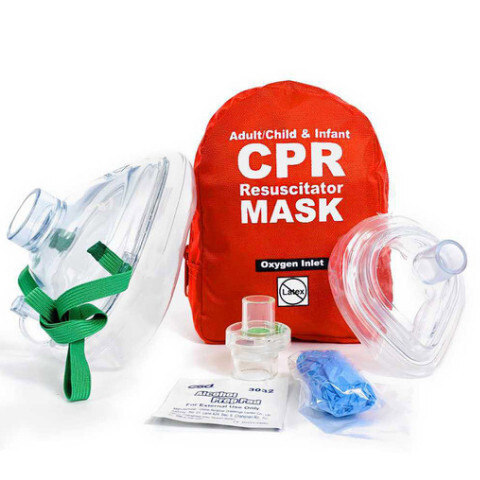
CPR Mask
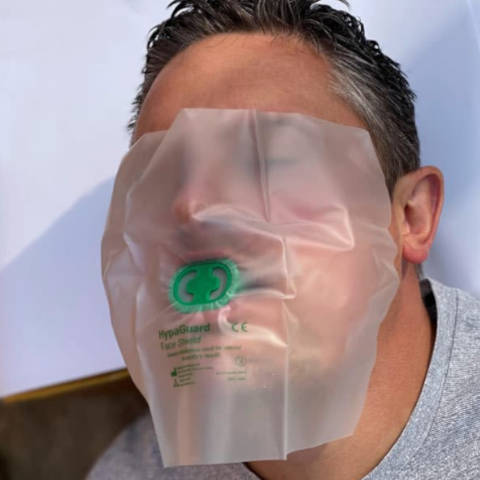
Sheet Mask
Exhaled air delivers only ~16% oxygen and over 100× more CO₂ than fresh air
Masks are hard to seal, often leading to poor or failed ventilation
Frequently skipped due to panic, lack of training, discomfort, or fear of infection (heightened post-COVID)